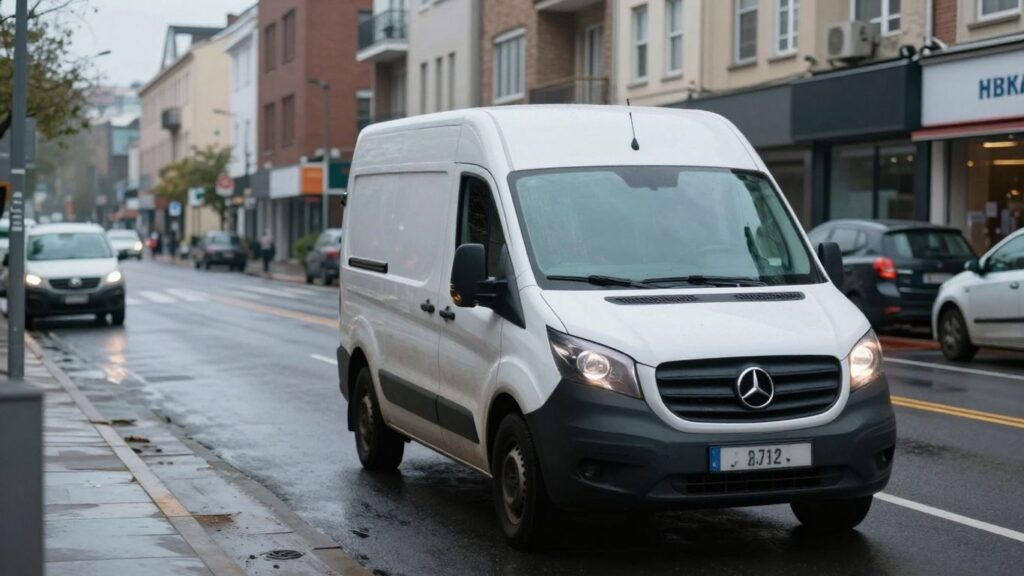
What fleet routing optimization involves
Fleet routing optimization is the process of arranging stops, vehicles, and schedules to meet delivery needs with less wasted travel and effort. For urban last-mile operations, a route that looks short on a map may still be impractical if it ignores loading time, parking, or a recipient’s availability. We get better plans by considering these realities together, rather than treating each stop as a separate navigation problem.
How route optimization differs from route planning
Route planning typically answers where a vehicle should go and in what order. Optimization goes further by comparing possible sequences against the operation’s goals and constraints, such as delivery windows or vehicle capacity. The shortest path between locations is not automatically the most useful plan if it causes late arrivals or requires an unsuitable vehicle.
How vehicle, driver, and delivery constraints shape routes
A workable route has to fit the vehicle, the person driving it, and the service promised at each stop. A vehicle may have limited cargo space or access restrictions, while a driver has a defined shift and break schedule. When we account for these details at the outset, the plan is more likely to be completed as intended.
When static routes are enough—and when they are not
A recurring route can be a sensible choice when stops, demand, and travel conditions stay relatively consistent. It gives drivers a familiar pattern and makes planning simpler. But changing order volumes, new delivery locations, road works, or uneven traffic can make a fixed sequence less effective, so we should review it when the day’s conditions regularly differ from the assumptions behind it.
Why optimized routes matter
Route decisions shape how much time and distance a fleet spends serving customers. Even modest inefficiencies can recur across a busy schedule, while a more considered plan can help teams use available capacity and time more deliberately. We should judge a route by the service it enables as well as the distance it covers.
Reducing fuel use and operating costs
Avoiding unnecessary mileage can reduce fuel use and the wear associated with additional vehicle travel. The size of any change depends on the routes, vehicles, and operating conditions, so we should not assume that a new plan will deliver the same result everywhere. Instead, compare actual costs and mileage with a clear baseline.
Improving on-time performance and customer experience
Customers experience routing through the reliability of their delivery: whether it arrives within the stated window and whether they receive useful updates. A route that accounts for service times and realistic travel conditions gives dispatchers a better basis for setting expectations. Reliable timing can matter more to a recipient than shaving a small amount off the distance.
Getting more value from drivers and vehicles
A well-balanced plan can help teams make better use of available driver hours and vehicle capacity. This does not mean filling every minute or maximizing every vehicle’s workload; plans need room for the variability of real deliveries. Usable capacity matters only when the schedule remains achievable and drivers can complete work safely.
Balancing efficiency with safety and service commitments
Efficiency should not come from rushing, skipping breaks, or ignoring a delivery promise. We need to treat safe driving practices, driver schedules, access restrictions, and customer time windows as real planning requirements. A route that is slightly longer but respects those commitments may be the better operational choice.
What data you need to plan effective routes
A route plan is only as dependable as the information used to build it. Missing or outdated details can produce schedules that appear efficient on screen but fail at the curb. We can improve the plan by collecting relevant data consistently and checking it before it becomes an operating assumption.
Stops, time windows, and service requirements
Each stop needs a reliable location, any applicable delivery window, and an estimate of the time required to complete service. Some deliveries involve special instructions, access limitations, or a recipient who must be present. Recording those details helps planners distinguish a quick drop-off from a stop that needs more time or coordination.
Vehicle capacity, capabilities, and availability
Planning requires knowing which vehicles are available, how much they can carry, and whether they can meet the job’s practical requirements. Vehicle dimensions or access needs can matter on narrow streets and in restricted areas. Accurate availability also prevents a plan from relying on a vehicle that is already assigned, undergoing maintenance, or otherwise out of service.
Driver schedules, skills, and regulatory limits
Driver availability, shift length, required breaks, and any relevant qualifications affect which work can be assigned. We should use current schedules rather than relying on a typical day that may not match the actual roster. A route plan must fit the people expected to carry it out, not just the vehicle and list of stops.
Traffic, road conditions, and historical travel times
Travel time varies by time of day, road works, congestion, and local access conditions. Historical journey times can offer a useful reference, but they should not be treated as a guarantee for a particular trip. Combining realistic travel estimates with current road information helps avoid schedules that leave no room for ordinary disruption.
How to optimize fleet routes step by step
A practical optimization process starts with the service the operation needs to deliver, then works through the information and choices that shape the route. We can make changes in manageable stages, instead of treating a new plan as a one-time fix. The aim is a schedule that balances efficiency with the conditions drivers and customers actually face.
Set goals and define routing constraints
First, decide what the operation needs to improve: mileage, delivery timeliness, vehicle use, or a combination of measures. Then identify the requirements a plan cannot break, such as time windows, vehicle capacity, driver schedules, and safe operating practices. A short written set of priorities makes trade-offs easier to explain when every goal cannot be maximized at once.
A useful starting point is to separate firm requirements from preferences. For example, a delivery window may be mandatory, while reducing total distance may be a goal to pursue only if service remains intact. We can use a compact checklist to make that distinction visible:
- Required delivery windows and service commitments
- Vehicle capacity, access, and availability
- Driver shifts, breaks, and assigned skills
- Operational priorities such as mileage or workload balance
This checklist gives planners a shared basis for reviewing the route rather than relying on assumptions. It also helps identify conflicts early, before dispatch turns them into missed stops or last-minute changes.
Prepare and validate operational data
Before building routes, check stop addresses, service times, time windows, and vehicle assignments for errors or gaps. Duplicate locations and stale instructions can distort the sequence just as much as inaccurate travel estimates. A small amount of data review can prevent repeated problems from being built into every plan.
Build routes and review trade-offs
Once the inputs are ready, compare route options against the goals and constraints. Look at where workload is concentrated, whether estimated arrival times are plausible, and whether the plan leaves any driver with an unreasonable day. Review exceptions instead of focusing only on the overall mileage; a strong aggregate result can still conceal one route that is difficult to complete.
Dispatch plans and adjust for real-world changes
After dispatch, conditions may change because of traffic, a failed delivery, a new urgent stop, or a vehicle issue. We should define who can approve adjustments and how those changes reach affected drivers and customers. Clear communication helps a revised plan remain coordinated rather than creating conflicting instructions.
How routing software supports optimization
Routing software can help teams compare stop sequences and manage more planning variables than are practical to track manually. It does not remove the need for sound data or operational judgment; it gives planners another way to organize and review decisions. The right approach depends on the fleet’s size, delivery pattern, and existing processes.
Comparing manual planning with route optimization tools
Manual planning can work for a small, stable set of stops, especially when a planner knows the area well. As stop counts and constraints grow, checking every possible sequence becomes more difficult, and repeated manual edits can be hard to evaluate consistently. Tools can help organize route choices, but we should assess their recommendations against the service requirements and local knowledge that matter to the operation.
Evaluating integrations with telematics and dispatch systems
Before adopting a tool, map the information that needs to move between routing, dispatch, and any vehicle or delivery systems already in use. Check whether the proposed connections support the specific data and workflows the team depends on; the word “integration” alone does not say what will be exchanged. A clear process for resolving missing or conflicting information is useful too.
Using real-time tracking and dynamic rerouting
Live location information can help a team understand where vehicles are during the workday. Dynamic changes may be useful when conditions disrupt the original sequence, but rerouting should account for customer commitments and communicate revised instructions clearly. Not every delay calls for a new route: sometimes the simplest response is to update an arrival estimate or leave the remaining plan intact.
Assessing automation, usability, and scalability
When reviewing software, consider how much work it automates and whether dispatchers and drivers can use it without adding avoidable complexity. Test it with realistic routes and exceptions, not just a clean demonstration scenario. The process should also remain workable if the number of vehicles, stops, or operating areas changes.
How to measure results and improve over time
Optimization is an ongoing operating practice, not a route that is perfected once and left alone. We need measures that show whether changes improved the service as well as the use of time, distance, and vehicles. Regular review helps teams distinguish lasting improvement from a one-day fluctuation.
Tracking cost, mileage, utilization, and on-time delivery KPIs
Choose measures that connect to the goals set during planning. Common indicators include operating cost, distance traveled, vehicle utilization, and deliveries completed within their promised windows. Define each measure consistently so teams know what counts, and avoid relying on a single number to describe performance.
Establishing a baseline and comparing results fairly
Record performance before making a change, then compare it with results from a comparable operating period. Differences in demand, weather, staffing, or road conditions can affect the comparison, so note them rather than attributing every change to routing. A baseline is most useful when the same definitions and collection methods are used on both sides.
Reviewing exceptions, driver feedback, and customer outcomes
Performance measures tell part of the story, while exceptions can explain what happened on a particular route. Review late stops, failed deliveries, unusually long service times, and driver observations together. Feedback from the people completing the route may reveal access problems or unrealistic estimates that are not obvious in a summary report.
Updating routes as demand and operating conditions change
Revisit route assumptions when delivery patterns shift, new customers are added, or recurring disruptions change travel times. We can adjust the affected routes and monitor whether the changes improve service without creating new problems elsewhere. A regular review rhythm keeps the plan connected to current operations instead of relying on last season’s conditions.
Conclusion
Fleet routing optimization works best when we treat it as a practical cycle: define what matters, use reliable data, build routes around real constraints, and learn from each day’s results. The most efficient plan is not simply the one with the least distance, but the one that helps drivers serve customers reliably and safely while making sensible use of available resources.
Frequently Asked Questions
What is fleet routing optimization?
It is the process of arranging vehicle routes and delivery stops to meet operational goals while accounting for constraints such as time windows, capacity, and driver schedules.
How is route optimization different from route planning?
Route planning sets out a path and stop order. Optimization compares route choices against goals and practical requirements, which may include service times, vehicle limits, and delivery commitments.
Does the shortest route always use the least fuel?
Not necessarily. Traffic, road conditions, stops, vehicle type, and driving patterns all affect fuel use, so the shortest distance alone cannot determine the most efficient trip.
What information should we collect before optimizing routes?
Start with accurate stop locations, delivery windows, service requirements, vehicle capacity and availability, driver schedules, and realistic travel-time information.
When should a fleet reconsider its fixed routes?
Review fixed routes when demand or stop locations change, recurring delays emerge, or operating conditions no longer match the assumptions behind the schedule.
How can we tell whether a route change helped?
Compare relevant measures—such as mileage, cost, vehicle use, and on-time delivery—with a consistent baseline, while noting changes in demand or operating conditions.
Should drivers have input into route changes?
Yes. Drivers can identify access issues, unrealistic service estimates, and recurring delays that may not be visible in planning data. Their feedback can help make revised routes more workable.